
Bruxism
Bruxism, commonly known as "tooth grinding," is the process of clenching together and the grinding of the upper and lower teeth. During sleep, the biting force of clenched jaws can be up to six times greater than during waking hours.
Bruxism can cause complications over the years:
- Wear down tooth enamel
- Break fillings or other dental work
- Worsening of TMJ dysfunction
- Create jaw pain, toothaches, headaches, or earaches
- Cause tooth sensitivity
- Increase tooth mobility
- Can Chip Teeth
There is no cure for bruxism; however, the condition can be managed. The most common procedure to help to alleviate pain and discomfort is a Nightguard.

Oral Piercing
Oral piercings can be bad for your health. Because your mouth contains millions of bacteria, infection is a common complication of oral piercing. Pain and swelling are other side effects of piercing. Your tongue (a popular piercing site in the mouth) could swell large enough to close off your airway. Piercings can also cause uncontrollable bleeding or nerve damage. The jewelry itself also presents some hazards. You can choke on any studs, barbells or hoops that come loose in your mouth, and contact with the jewelry can chip or crack your teeth.

Tobacco
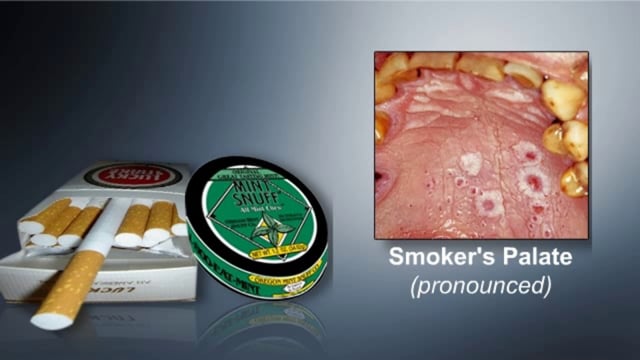
You are probably familiar with the links between tobacco use and lung disease, cancer and cardiovascular disease.
Current studies have also established that tobacco smoking not only causes direct damage to your mouth but also makes periodontal disease more damaging and harder to treat.
There is a greater incidence of calculus formation on teeth, deeper pockets between gums and teeth, more gum recession and more loss of the bone that hold the teeth in your mouth. In addition, smokeless tobacco greatly increases your chance of developing oral cancer. Any tobacco usage can complicate the placement of dental implants.
Chemicals in tobacco such as nicotine, which constricts blood vessels, slow down wound healing.
Other chemicals impair the function of your white blood cells which are your first line of defense against infection. The tars contain carcinogens which over time induce cell mutations and cancers.
Quitting tobacco use will lower the risk of your developing cancer and improve the health of your teeth and gums, as well as your heart and lungs.
Smokeless tobacco poses very serious problems including:
- Causes tooth decay
- Eats away your gums
- Leads to tooth loss
- Bad Breath
- Stains your teeth
- Causes oral sensitivity to hot and cold
- Decreases sense of taste and smell
If oral cancer is left untreated long enough, it may even cause death.
Vaping
Vaping has been known to cause serious complications linking to oral health, comparable to smoking cigarettes. Similarly to smoking, vaping can cause gum disease, tooth decay and other more serious conditions beyond just the mouth. There have also been situations in which the vape pen itself has exploded causing serious harm to teeth, gums and the lips.
The nicotine found in the vapor can cause restrictions that reduce blood flow, oxygenation, and saliva production. All of these things are needed to help produce and distribute proper nutrients within the body. In turn, these restrictions can lead to periodontal disease, dry mouth, cavities and even tooth loss.
Aside from oral health, when you vape, the vapors that are inhaled contain nicotine, which is highly addictive (as we know with cigarettes), heavy metal particles, and other cancer-causing chemicals. None of the items that were previously listed mix well when inhaled into your lungs. Therefore, damage can occur as well as lung infections, cancer and even an increased risk of heart disease.
